Augment What Works — Don't Rip and Replace
Legacy System AI Integration
Your ERP, order management, and inventory systems stay untouched. We deploy an intelligent middleware layer — powered by an API gateway and sidecar proxies — that gives staff natural-language data lookup, workflow navigation, and smart form pre-fill. Read-first, write-through: queries route through AI, while mutations still hit your system's original validation logic. Zero downtime, zero migration risk.
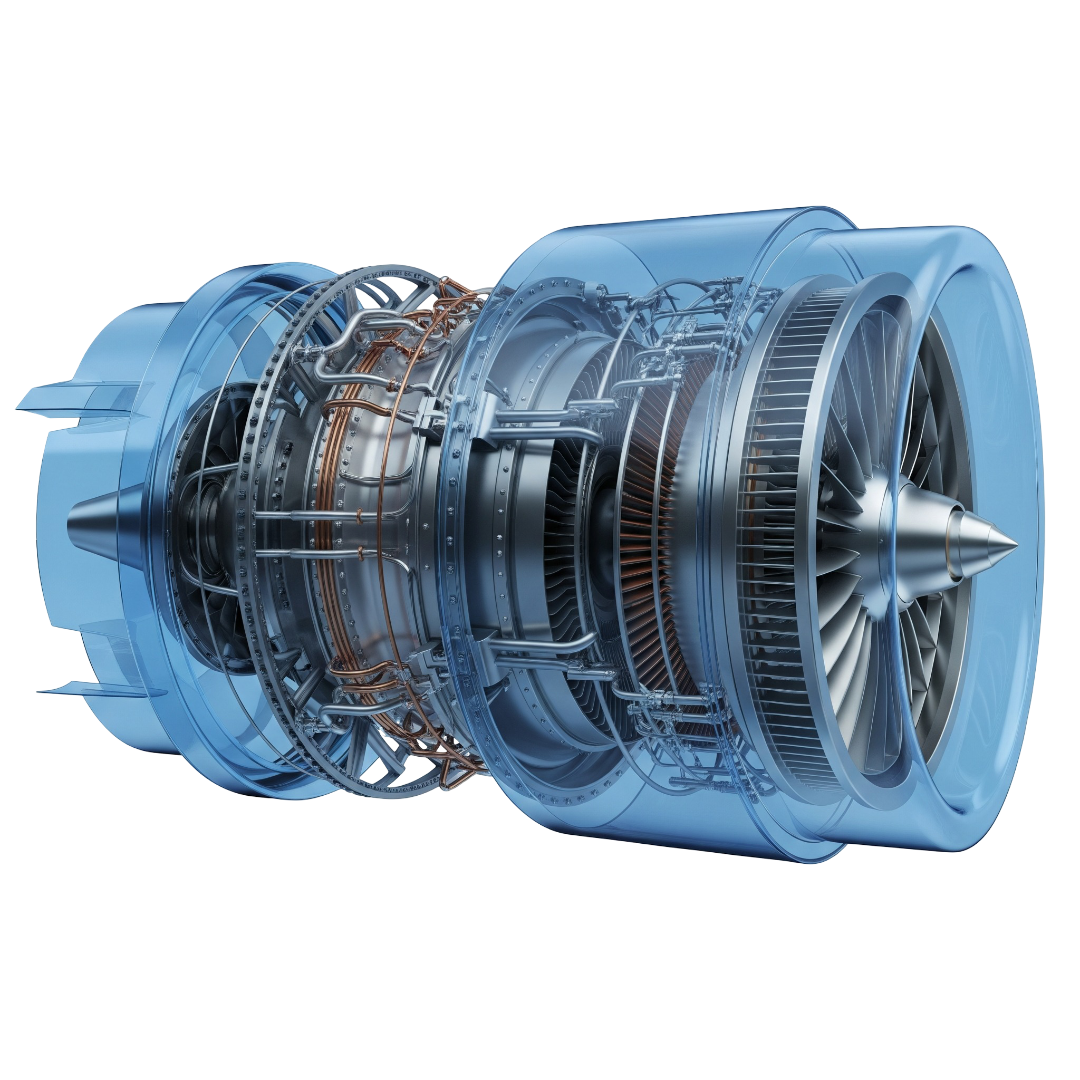

Start with read-only AI, then progressively enable write operations
We wrap your legacy APIs behind a standardized gateway and deploy intelligent middleware on top — the strangler fig pattern applied to AI augmentation. New interfaces communicate with existing systems through this abstraction layer: AI handles data lookup, form completion, and anomaly flagging. Features roll out team by team via feature flags and canary deployments, with one-click rollback at every stage. Write operations pass through the original system's validation logic — existing business rules are never bypassed, and traffic controls protect legacy system stability throughout.
The legacy system works, but it's become your biggest bottleneck
When a full rewrite carries too much risk and the status quo bleeds productivity, an AI augmentation layer is the most pragmatic path forward. Without modifying a single line of core code, we overlay intelligent search, auto-fill, and analytics capabilities — shipping improvements in small, safe increments using progressive rollout strategies.
The System Works — But Productivity Is Bleeding
A system that's been running for years with clunky workflows, excessive manual steps, and screens that require five clicks for what should be a one-step operation. Staff complain daily — but can't live without it, because all core data and business logic live inside.
AI Ambitions, But Rewrite Risk Is Too High
A ground-up rebuild is high-risk, high-cost, and takes 12-24 months minimum — the old system could break before the new one launches. But doing nothing means watching competitors ship intelligent features while your efficiency gap widens quarter over quarter.
Years of Data, Zero Intelligence Layer
A decade of business data sits in the system, limited to basic CRUD and CSV exports. No forecasting, no trend detection, no proactive alerting. Valuable data assets gathering dust, delivering a fraction of their potential ROI.
Painful UX, But a Rebuild Can't Be Prioritized
Employees and customers agree — the interface is dated, workflows are counterintuitive, and mobile is non-existent. A full UX overhaul would require a major capital commitment and timeline that can't be justified against other priorities right now.
Legacy Integration Points Are Undocumented and Brittle
Proprietary protocols and undocumented APIs make every integration a reverse-engineering exercise. Each new touchpoint adds surface area for production incidents.
Accumulated Technical Debt Paralyzes Core Module Ownership
Low test coverage and implicit tribal knowledge mean no engineer can confidently modify the critical path. Every sprint carries hidden regression risk that compounds over time.
Layer AI capabilities on top — zero invasion, zero downtime
Through an API gateway and sidecar proxy architecture, we attach intelligent search, auto-fill, and predictive analytics to your legacy system as independent microservices — zero code changes to the host system, zero downtime. Features ship scenario by scenario via feature flags, with instant rollback at any point.
Strangler Fig Integration — No Core Code Changes
AI capabilities deploy as independent microservices behind an API gateway. The original system continues running untouched — each intelligent feature can be enabled or disabled independently, with zero invasion and zero downtime.
Unlock the Value Trapped in Legacy Data
Years of accumulated business data, once exposed to ML models, can power trend forecasts, anomaly alerts, and decision-support recommendations — finally extracting ROI from data assets that have been sitting idle.
Progressive Rollout, Controlled Risk
Start with a single high-pain scenario, validate results in 2-4 weeks via canary deployment, then expand to the next module. Investment is incremental, risk is contained — no betting the roadmap on a multi-year big-bang migration.
Feature Flags & Instant Rollback
AI features run as standalone services with feature-flag control at the user, team, and org level. Old and new systems operate in parallel with traffic isolation — one-click rollback to the original UI and workflows at any time.
Modern UX Shell Over Legacy Core
A contemporary interface wraps the legacy system — cleaner interactions, intuitive navigation, and responsive design. No retraining needed because the underlying business logic stays the same; only the user experience improves.
Independently Evolvable AI Modules
Each AI capability is a versioned, independently deployable service. As business requirements change, new intelligent features — from simple auto-fill to complex predictive models — are added without touching legacy system stability.
A non-invasive progressive modernization methodology
We follow a six-phase methodology: system assessment, solution architecture, smart shell build, AI integration, canary validation, and progressive rollout. The original system stays live throughout. AI capabilities are deployed as independent services with rollback plans, feature flags, and success metrics at every phase — ensuring business continuity and measurable outcomes.
Assess the Existing Landscape
We map your current system's API surface, data access patterns, and integration boundaries — which functions can be wrapped, which data can be read, which write paths must preserve original validation. The deliverable is an 'upgrade opportunity matrix' with effort estimates and risk ratings.
Assess the Existing Landscape
We map your current system's API surface, data access patterns, and integration boundaries — which functions can be wrapped, which data can be read, which write paths must preserve original validation. The deliverable is an 'upgrade opportunity matrix' with effort estimates and risk ratings.
Architect the Integration Layer
Define whether to add new service modules, integrate LLM APIs, or apply the strangler fig pattern to specific subsystems — and explicitly document what stays untouched. Scope, technology choices, and milestones are approved before any engineering begins.
Architect the Integration Layer
Define whether to add new service modules, integrate LLM APIs, or apply the strangler fig pattern to specific subsystems — and explicitly document what stays untouched. Scope, technology choices, and milestones are approved before any engineering begins.
Build the Smart Shell
A modern interface layer wraps the legacy system — cleaner design, responsive layout, accessible interactions. Users work in the new UI while the gateway transparently translates requests into formats the legacy backend understands. Not a single line of original code is modified.
Build the Smart Shell
A modern interface layer wraps the legacy system — cleaner design, responsive layout, accessible interactions. Users work in the new UI while the gateway transparently translates requests into formats the legacy backend understands. Not a single line of original code is modified.
Integrate AI Capabilities
Intelligent search, auto-fill, data analytics, and predictive features are embedded into the new interface as microservices. Natural-language queries retrieve data instantly; anomaly detection surfaces issues proactively. AI runs behind the gateway — fully isolated from legacy system internals.
Integrate AI Capabilities
Intelligent search, auto-fill, data analytics, and predictive features are embedded into the new interface as microservices. Natural-language queries retrieve data instantly; anomaly detection surfaces issues proactively. AI runs behind the gateway — fully isolated from legacy system internals.
Canary Validation
Old and new interfaces run in parallel via feature flags — users can switch at any time. Start with one or two high-traffic workflows, collect usage telemetry and performance data, resolve issues in real-time, then widen the rollout once success metrics are met.
Canary Validation
Old and new interfaces run in parallel via feature flags — users can switch at any time. Start with one or two high-traffic workflows, collect usage telemetry and performance data, resolve issues in real-time, then widen the rollout once success metrics are met.
Progressive Rollout & Iteration
Validated features expand progressively to more teams and workflows. Every rollout increment is independently reversible — no 'all-or-nothing' deployment risk. AI modules are versioned and updated independently, with new intelligent capabilities added on demand.
Progressive Rollout & Iteration
Validated features expand progressively to more teams and workflows. Every rollout increment is independently reversible — no 'all-or-nothing' deployment risk. AI modules are versioned and updated independently, with new intelligent capabilities added on demand.
From API abstraction to full intelligent augmentation
Designed for organizations where core systems can't be replaced in the near term, but operational efficiency and user experience have become critical bottlenecks. All six upgrade patterns use a non-invasive overlay strategy — zero code changes, fully reversible, and risk-controlled at every stage.
Natural Language Data Retrieval
Legacy menu hierarchies are deep and field names are cryptic — new hires spend weeks learning how to find anything. With a wrapped query layer, users describe what they need in plain language, preview results with context, then export — zero legacy UI training required.
Guided Workflow Navigation
Operating guides live in outdated wikis that nobody maintains. An AI copilot generates step-by-step instructions per user role, highlights required fields, and annotates form inputs with examples and validation rules — cutting error rates and rejected submissions.
Intelligent Form Pre-Fill & Validation
Legacy forms lack real-time validation — errors surface only after submission, triggering back-and-forth corrections. AI pre-fills fields based on historical patterns, flags common mistakes in a sidebar, and catches issues before submit — reducing form cycle time by 60-80%.
Unified Cross-System Status Dashboard
Approvals in one system, execution in another, logistics in a third — tracking status means toggling between tabs. A unified dashboard aggregates real-time statuses with deep links, and flags stale data when a source system is slow to sync.
Legacy API Gateway for New Channels
Mobile apps and partner integrations need legacy system functionality but are blocked by outdated protocols and data formats. An API gateway translates legacy interfaces into modern REST/GraphQL standards — new channels connect without rebuilding core, and legacy patches only require adapter-layer regression testing.
Unified Identity & Audit Trail
AI assistant permissions must exactly mirror the legacy system's RBAC — no unauthorized data access, period. A unified identity layer enforces consistent access control, with operation logs correlated across old and new systems for seamless compliance audits.
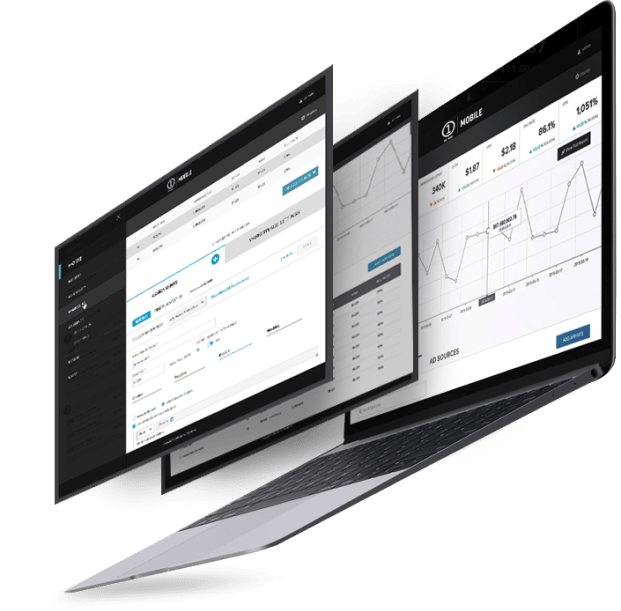
No downtime, no rewrite — systematic progressive modernization
Unlike rip-and-replace rebuilds, our AI overlay approach provides systematic engineering guarantees around non-invasive integration, canary releases, performance isolation, and full asset handover — balancing business continuity with intelligent modernization at every step.
Canary Deployments & Feature Flags
Roll out by team, user cohort, or feature module — each increment has its own rollback plan and success criteria. Start with read-only queries, validate stability, then progressively enable write operations. Risk exposure is controlled at every step via percentage-based traffic splitting.
Non-Invasive Sidecar Architecture
The AI layer communicates with the original system through a gateway and sidecar proxies — never directly accessing the production database. Clear responsibility boundaries between the integration layer and legacy core mean performance issues and business exceptions can be diagnosed independently.
Sub-Minute Rollback
Built-in global kill switches and fine-grained feature flags enable instant fallback by user, team, or time window with zero business interruption. Rollback drills are part of every go-live checklist — ensuring contingency plans are battle-tested before they're needed.
Complete Technical Asset Handover
Every engagement ships with API documentation, error code references, Grafana dashboards, and operations runbooks. Your engineering team can independently handle daily operations, configuration changes, and incident response — no long-term vendor lock-in.
Traffic Isolation & Performance Guardrails
A rate-limiting gateway between AI services and the legacy system prevents request spikes from impacting core stability. High-frequency queries leverage multi-tier caching with clearly defined consistency windows — availability and latency SLAs are continuously monitored via data observability tooling.
Seamless Visual & Brand Integration
New intelligent interfaces follow your existing design system, brand guidelines, and interaction patterns. SSO integration eliminates entry-point fragmentation, and the experience feels native — users don't perceive a boundary between legacy and augmented surfaces.
Running a legacy system that needs to get smarter? This is built for you
Enterprises with Custom-Built Systems
Running in-house or outsourced ERP, CRM, or OA platforms and want to layer AI capabilities on top of what already works — without a rewrite
Government Digital Transformation
Public-sector agencies modernizing legacy platforms can add AI capabilities as part of the same initiative — one engagement, compounding value
Existing Clients & Partners
We already understand your system architecture — upgrade plans are more targeted, integration timelines are shorter, and total cost of ownership is lower
Industrial & Manufacturing
Layer AI-powered predictive maintenance, anomaly detection, and decision support onto MES, WMS, and SCADA systems without disrupting production
Healthcare & Public Services
Augment HIS, EMR, and citizen service platforms with intelligent form assistance, automated review, and early-warning analytics
Education & Training Platforms
Add personalized content recommendations, adaptive assessments, and learning analytics to existing LMS infrastructure
Technology Stack
Production-grade open-source and cloud-native components, assembled per engagement — zero single-vendor lock-in.





Let's Build Something Great Together
Whether you need a custom AI solution, legacy system modernization, or a production-grade data pipeline — we’re ready to scope, architect, and deliver.
Contact Us